cognitive surrender
Remember when calculators became popular. The education authorities and parents feared that children would lose the ability to do maths in their heads because they had become reliant on calculators. This was true. From the children’s point of view, why would you agonise over learning maths tables when your little calculator could do it in a flash. And now that almost every device we have has a calculator built into it, what is the problem?
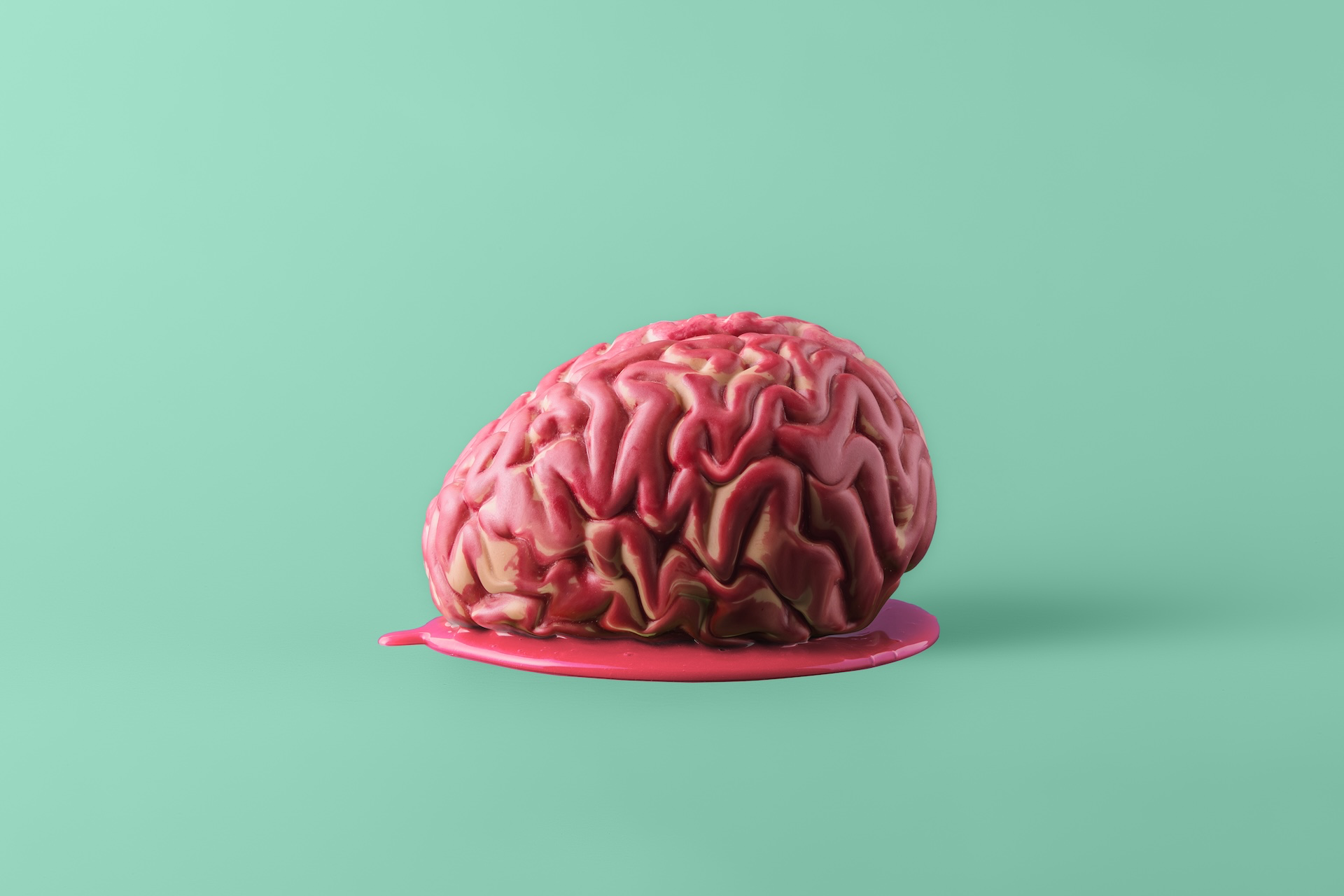
But with AI there is a difference. AI is fine for older people who have learnt critical thinking and retain a basic scepticism. They have also learnt how to fact check and routinely double check information they are given. But the children who are handed AI now have not necessarily learnt these skills and will find it harder to retain independent critical thinking because it is just so easy to rely on AI for pretty well all information and problem solving. The AI bot presents information so smoothly and apparently competently that it is difficult to call it into question. This is called cognitive surrender and is being recognised as a major problem for the future education of our children.
The other approach to using AI is called cognitive offloading. This is the use of tools such as calculators, GPS and AI in the completion of a task which is always managed and in the control of a human being. Specific tasks are offloaded but the human being remains in charge.