prediction market
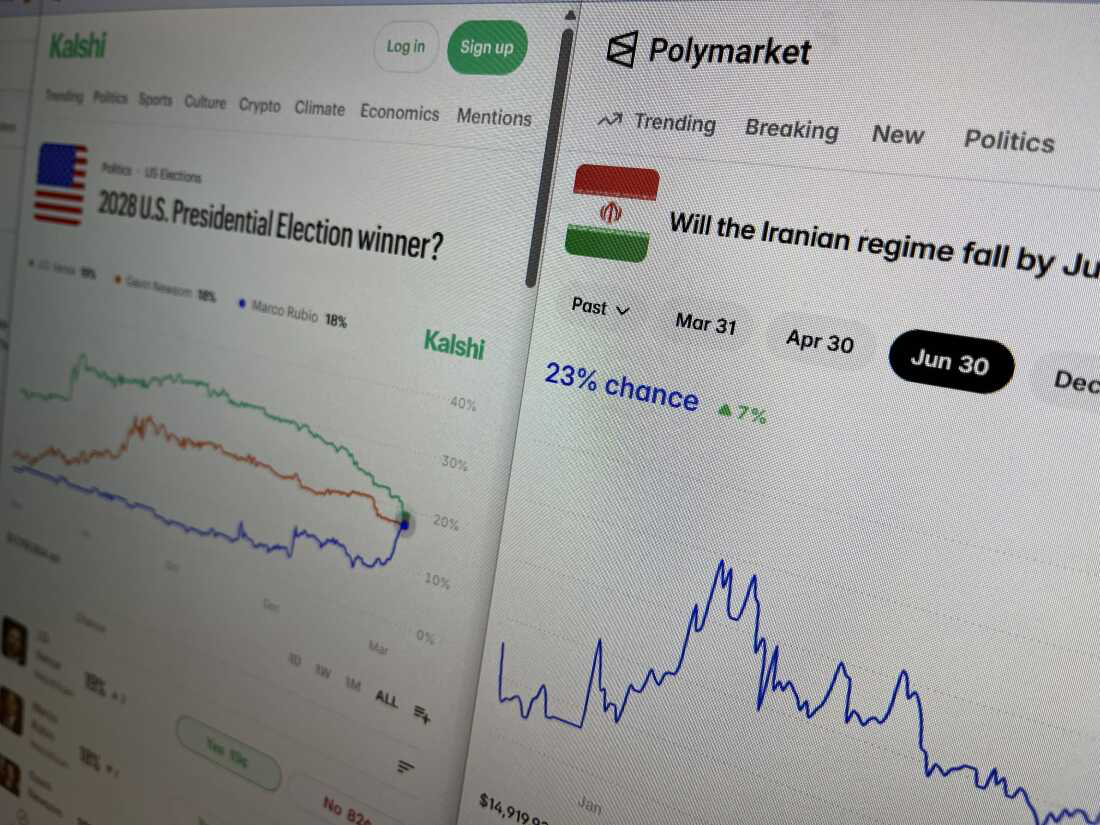
Although I was unfamiliar with the term, I realised that I was quite familiar with the activity. One early example of a prediction market was the popular pursuit of betting on who would emerge from a papal conclave as the next Pope. That was banned in 1591.
In a prediction market people bet on real-world outcomes, as in elections, in sport, in popular culture relating to movies and actors, in current preoccupations such as how many tweets Elon Musk will post in a given week. These days almost anything can be the subject of a bet. The questions are framed by the organisation running the betting and the answer can be either yes or no. One side effect of all this is that the consensus of the market on the outcome is actually a better guide to the future than any poll.
There is some doubt as to the ethics of betting on the outcomes of wars or on specific incidents in the conduct of those wars. And some people are concerned about the rapid expansion of betting mania. There is uncertainty as to whether such markets are part of the finance world or the gambling world. In Australia such markets are severely restricted.
The term prediction market became standard in the early 2000s but there had been other attempts at naming reflecting different attitudes or purposes. Information market (a term of the 1990s) was a response to the benefit of aggregating data from these markets as a guide to outcomes, reflecting the wisdom of crowds.