mincemeat
I was asked about the distinction between mincemeat and minced meat, basically because while it is clear that minced meat is meat (beef, pork, chicken, etc.) chopped up very fine, mincemeat can be that also but it can be the fruit mix in mince pies.
There is no distinction between minced meat and mincemeat. The latter is just the shortened one word variant.
Initially I leapt to the conclusion that the meat element was the problem because in the 1500s meat could refer to food generally. So meat and drink was solid food of any kind and liquid refreshment to go with it. One man’s meat is another man’s poison is a phrase going back to the 1500s. What one man likes is hated by another. These days we have an image of a man sitting down to a steak or a roast chook or the like.
The other meaning of meat, the flesh of an animal, was there also and gradually took over from the general meaning.
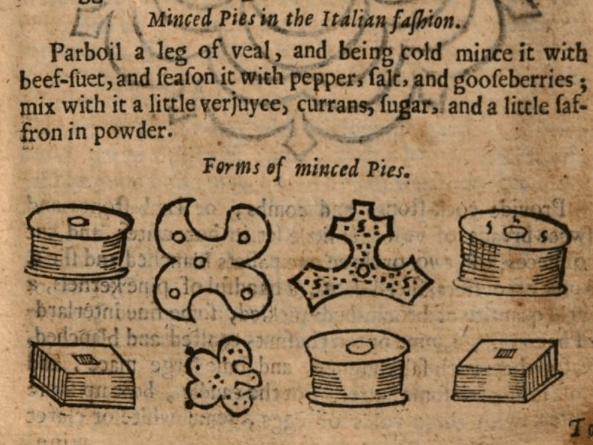
But the cause of the trouble is not this. It is the fact that originally — that is, in medieval times — mince pies had minced meat in them, usually mutton, beef, rabbit or tongue, very finely chopped. The fruit and spirits and spices were added to preserve the meat so that the pies didn’t go off before you ate them. The mince pie was quite large at that point and had %50 meat.
The British acquired sugar from the West Indies in the 17th century and from there on their tastes changed so that the mince pie focused on the chopped fruit and spice and sugar. The meat disappeared. The pies became small individual serves.
But the name remained the same. It is comparable to what happened with plum pudding. In the 16th century actual plums (dried as prunes) were used in the plum pudding but these were replaced by cheaper raisins. The name remained the same.