nonplussed
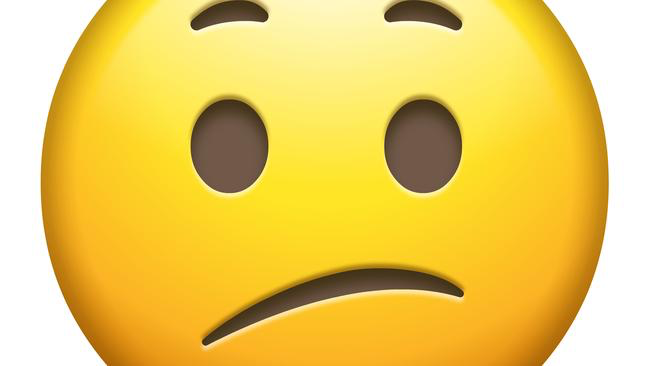
A website correspondent reported an odd use of nonplussed in the Guardian newspaper. It seemed to mean ‘unfazed’.
Nonplussed survives in this form — a past participle used adjectivally. The noun is nonplus, a common enough item from the late 1500s to the late 1800s in British English with a couple of tail-end citations in 1980 and 1989 in the Oxford English Dictionary. Presumably because of these late citations they do not label it Obsolete. But Google ngram reduced it to a very low frequency in the 1900s and to nothing in the 2000s. Typically you reached a nonplus, the point at which you could go no further. Nonplus is from the Latin non (not) and plus (more). Particularly in making an argument, you reached a point where you could not think of anything else to say. At this point you were at a nonplus, reduced to a nonplus, or just nonplussed. There was a verb also with the meaning of ‘confound, bamboozle’.
So now all we seem to have left is nonplussed which, in Australian English, we take to mean ‘puzzled, at a loss’. In American English, however, in the 1960s the meaning did a U-turn from ‘perplexed’ to ‘unperturbed or unfazed’. The OED suggests that this might have come from a misanalysis of the word into non meaning ‘not’ and plussed meaning ‘confused’ and therefore coming to mean ‘not confused, not bothered, not disconcerted’.
This American usage seems to be making an appearance here, so that we are entering a period where you have to read carefully to decide which meaning is appropriate. Sometimes it is not clear.