broach, breach and breech

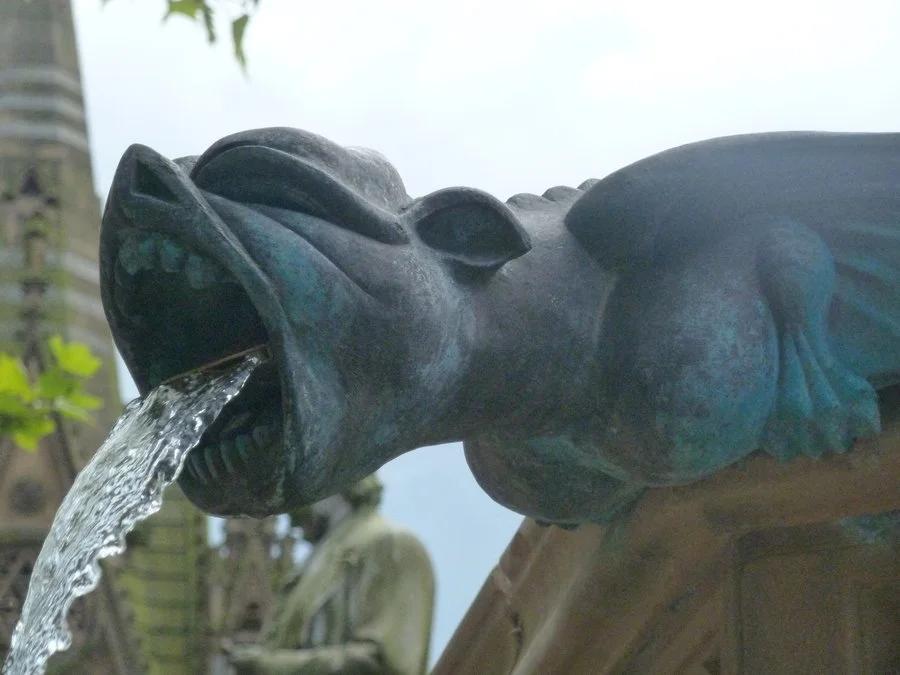
A breach is a hole or gap created in something and comes from Old English where it is perhaps related to the Germanic word break. It still has a literal meaning when used as a verb, so it is still possible to breach a physical obstacle of some sort. And it is from this sense that we get the whales breaching. They break through the surface of the water.

Read More

two-legged

An announcer was describing a race in two parts. He referred to as two-legged. That was said [tu-leg-uhd]. As soon as the word was out of his mouth he obviously felt uncomfortable with it.

Read More
Sue ButlerComment
wreak havoc

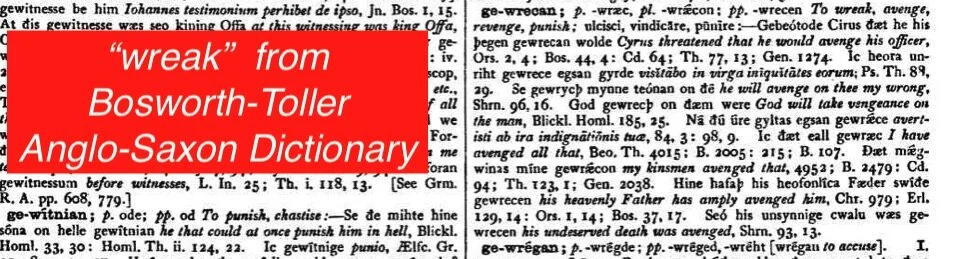
The recent storms brought up the phrase wreck havoc. This is a case of an unfamiliar word, wreak, being replaced by a familiar word, wreck, which seems to make sense because it is in the semantic ballpark of the concept of destruction.

Read More
Sue Butlerwreck havocComment
gormless

The word gorm is a variant of gaum, a dialectal word that appears in a broad range of Scottish and northern dialects, meaning ‘attention, comprehension’.

Read More
Sue Butler Comment
Please excuse my/me being late!

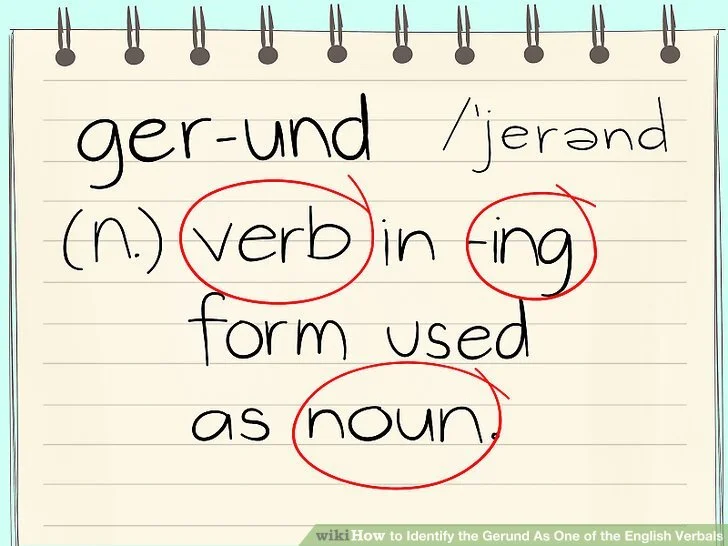
Should you say Please excuse my being late or Please excuse me being late? To come to grips with this simple question I’m afraid I need to get a little technical and start using very old-school terms such as gerund and gerundive and gerund phrase. Please excuse my being schoolmarmish.

Read More
Sue Butler Comments
impact

I have received a nomination for the most overworked and irritating word of 2019.  The nomination is for impact as a transitive verb. Whereas things used to impact on us, now they impact us.

Read More
Sue Butler Comment
draw a long bow

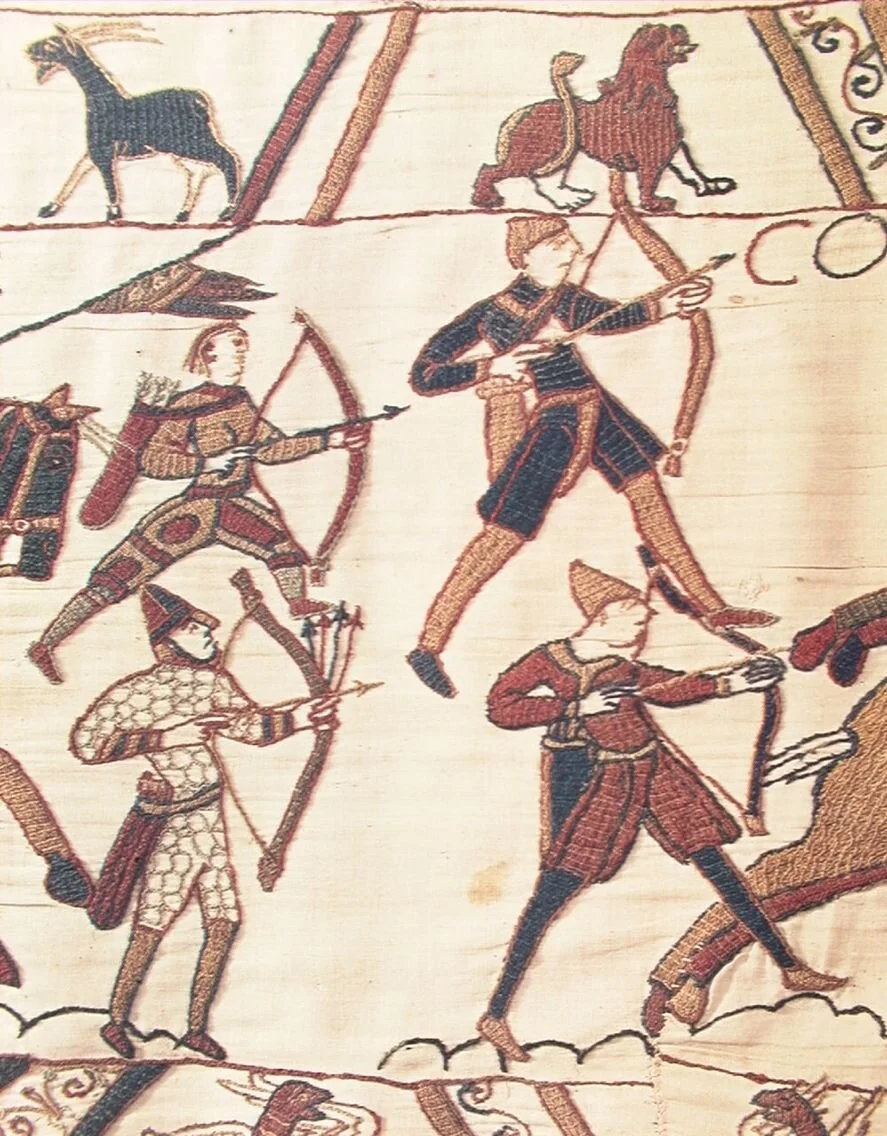
This is an expression that I thought was rather antiquated but which, to my surprise, is popping up with reasonable frequency, especially in political contexts. It means ‘to exaggerate or overstate’.

Read More
Sue Butler Comments
alternate and alternative

These two words used to have quite distinct meanings.  If two things were described as alternate, it meant that one came after another in a repetitive pattern.  If something is described as alternative to another, then it is a possible option to be taken up.

Read More
weigh in or wade in

To weigh into a debate is to enter it forcefully, bringing one’s full weight of conviction into the discussion.  This idiom seems to be not as common as it used to be, so that, particularly in the past tense, they weighed into the debate, weighed  is being replaced by waded

Read More
Sue Butler Comments
ball one's eyes out

I was alerted to the phase ball one’s eyes out  when it appeared in the Sydney Morning Herald.  Checking online I found to my astonishment that there are thousands of examples of this.  Is bawl such an unusual word now that we choose to substitute ball as more familiar? 

Read More
ConfusionSue ButlerComment
reveller

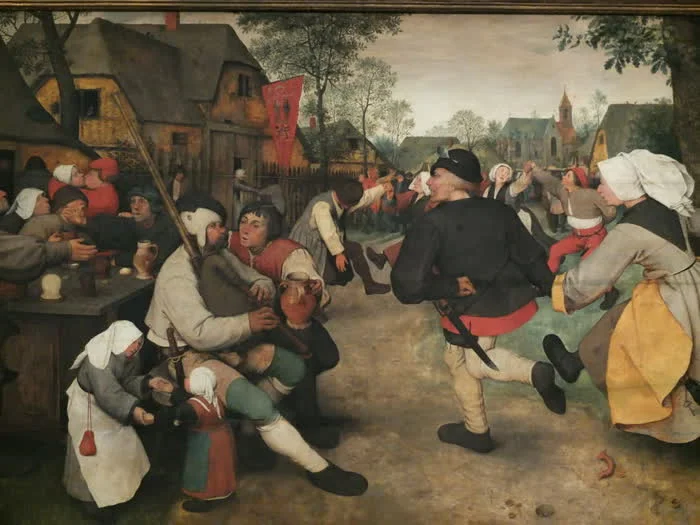
Reveller is a word that peaked in English currency in the 1820s. It was an Anglo-Norman borrowed from French reveler meaning ‘to engage in wild and noisy merrymaking’. That in turn was related to the Latin rebellare to revolt, rebel.

Read More
spout or sprout

The transition from spout to sprout is an amusing mix-up. The original metaphor goes back to the 1500s, the imagery being words gushing up in an uncontrolled way from the speaker’s mouth. 

Read More
Sue ButlerComment
discrete and discreet

These are commonly confused but I wondered why. After all, the word discrete should occur at a much lower frequency than the work discreet, given that we are all concerned about being prudent and tactful but rarely bothered by  identifying items as discrete.

Read More
Sue ButlerComment
me-too

The #MeToo movement has produced a derived form MeTooed, as in My ex was just MeTooed.  MeTooing as an activity also exists.

Read More
Sue ButlerComment